PBM Land Services Resource
How to Prevent Potholes in a Gravel Driveway
Published July 25, 2026
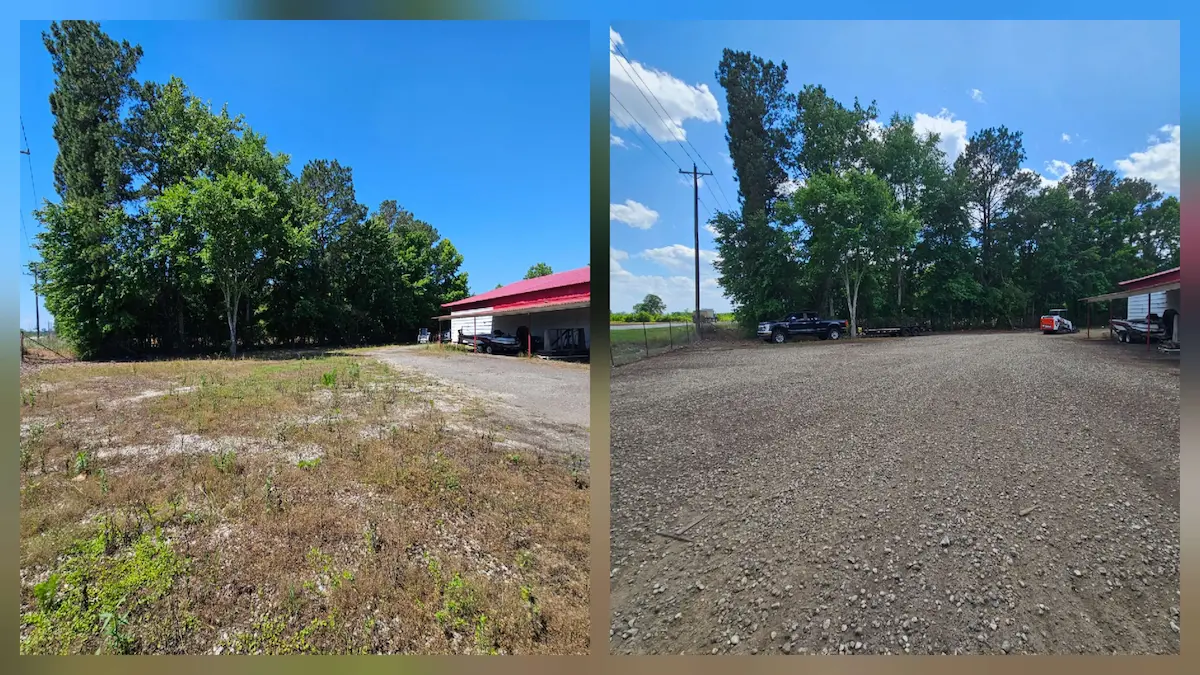
Few things are more frustrating than watching a smooth gravel driveway slowly turn into a collection of potholes. While many homeowners assume potholes are simply part of owning a gravel driveway, the truth is that many of them can be prevented with proper maintenance.
At PBM Land Services, we often tell customers that the best pothole repair is the one you never need. Understanding what causes potholes and taking a few preventative steps can extend the life of your driveway and reduce long-term maintenance costs.
Why Do Potholes Form?
Potholes do not appear overnight. They develop gradually as traffic and weather work together to weaken the surface.
The most common causes include:
- Water collecting on the driveway
- Poor drainage
- Vehicles repeatedly driving in the same path
- Loose or displaced gravel
- Lack of routine grading
When water sits on the surface, it softens the base underneath. Every vehicle that passes over the weakened area pushes gravel aside until a small depression forms. Once that depression starts holding more water, the pothole grows larger with every rainfall and every passing vehicle.
Keep Water Moving
The single most important factor in preventing potholes is proper drainage.
A gravel driveway should allow water to shed toward the sides instead of collecting in low areas. Even a well-built driveway will eventually develop problems if water has nowhere to go.
Signs your driveway may have drainage issues include:
- Standing water after rain
- Muddy spots that stay wet
- Washouts along the edges
- Multiple potholes forming in the same location
Addressing drainage problems early can prevent expensive repairs later.
Grade Your Driveway Regularly
Grading redistributes gravel, smooths ruts, and restores the proper crown or slope of the driveway.
Over time, traffic naturally pushes gravel toward the edges, leaving wheel tracks lower than the rest of the driveway. Those low areas trap water and become the perfect place for potholes to develop.
Routine grading helps keep the surface even and encourages water to flow away instead of pooling.
Add Gravel Before It Is Too Late
Many homeowners wait until they can see dirt before adding new gravel. Unfortunately, by that point the driveway is already losing its protective layer.
Adding fresh gravel periodically helps maintain surface thickness and provides enough material to reshape the driveway properly during grading.
Repair Small Problems Early
A small depression is much easier—and less expensive—to repair than a large pothole.
If you notice an area beginning to sink, repairing it early can prevent it from becoming a recurring problem. Ignoring a minor issue often leads to larger repairs later as water continues to erode the base.
Drive Carefully
Believe it or not, driving habits can affect the life of your driveway. Rapid acceleration, hard braking, and spinning tires all move gravel out of place faster than normal driving.
Whenever possible:
- Drive at moderate speeds.
- Avoid sudden acceleration.
- Change your driving path occasionally instead of always following the exact same tire tracks.
These simple habits can help reduce wear over time.
Routine Maintenance Saves Money
Gravel driveways are designed to be maintained—not replaced every few years.
Routine grading, occasional gravel replacement, and prompt repairs cost far less than allowing a driveway to deteriorate until major reconstruction is required. Regular maintenance also improves appearance, reduces vehicle wear, and keeps your property safer for family and visitors.
Frequently Asked Questions
Can potholes be completely prevented?
Not entirely. Weather and traffic naturally wear on any gravel driveway, but regular maintenance can dramatically reduce how often potholes develop.
How often should a gravel driveway be graded?
Most residential driveways benefit from grading every one to three years, depending on traffic, drainage, weather, and overall condition.
Does adding more gravel fix potholes?
Sometimes, but not always. If the underlying base or drainage issues are not addressed, potholes often return. Simply dumping gravel into a hole is usually a temporary fix.
What is the biggest cause of potholes?
Poor drainage. Water that remains on the driveway weakens the foundation and allows potholes to form much more quickly.
Keep Your Driveway in Great Shape
Preventing potholes is much easier than repairing major damage. If your driveway is beginning to show signs of wear, PBM Land Services can evaluate its condition and recommend the right solution for your property in the Pee Dee area.
Request a Free Estimate